


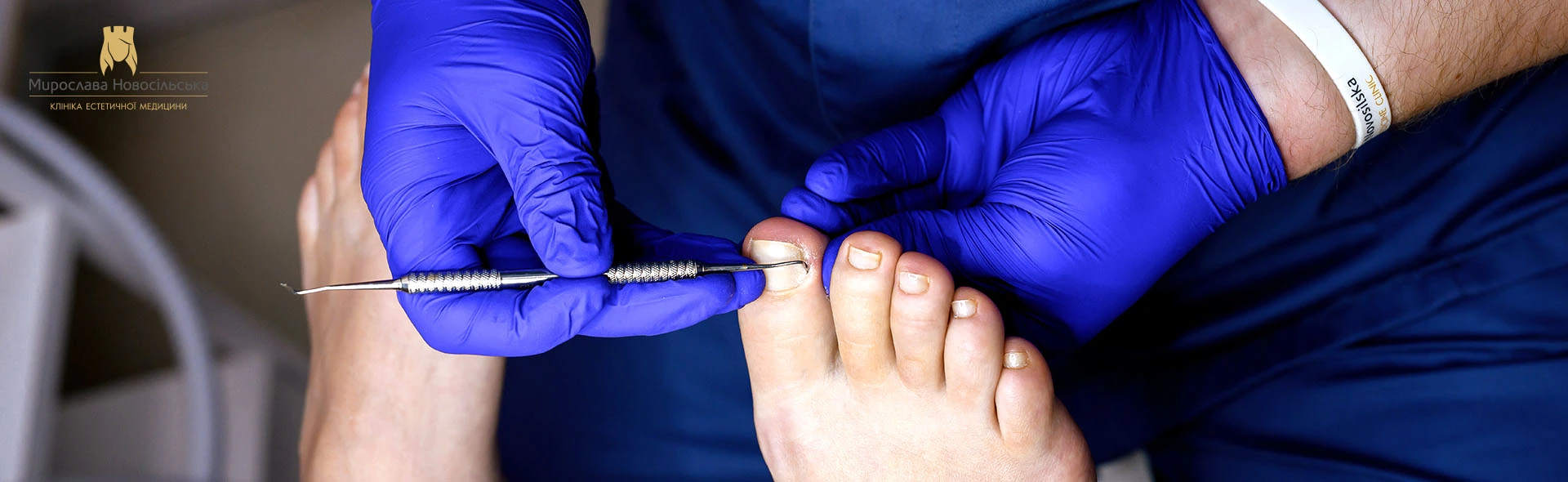
About the procedure
Hyperkeratosis is an excessive thickening of the stratum corneum of the epidermis. Hyperkeratosis is not an independent disease. Thickening of the stratum corneum and violation of the keratinization process is observed in ichthyosis, ringworm, erythroderma and other diseases. Even in healthy people, hyperkeratosis manifests itself to one degree or another on the elbows, feet, and sometimes on the knees. Plantar hyperkeratosis is most often a cosmetic defect, although the condition of the skin of the feet often indicates the condition of the body as a whole. Since hyperkeratosis of the foot can reach several centimeters, dry skin due to body pressure is prone to the formation of painful and bleeding cracks, which leads to pain when walking.
Will the procedure work for you?
Indications
Contraindications
Procedure
How is the hyperkeratosis removal procedure performed?
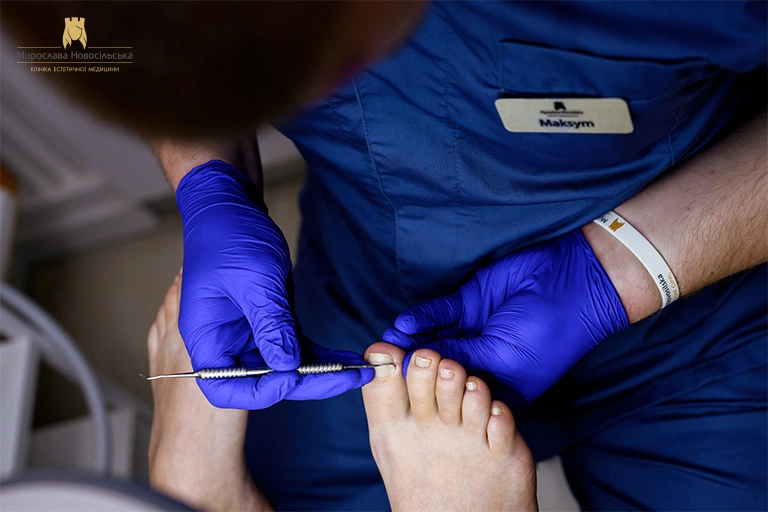
Before the procedure, the podiatrist conducts an examination, collects an anamnesis and makes a diagnosis. With the help of mechanical and hardware treatment of the feet, the excess stratum corneum is removed. A keratolytic agent is applied to the affected areas of the skin in order to soften the keratinized layers of the epidermis, then hyperkeratosis is removed with the help of a special blade, the layering is carefully cut without touching the soft tissues, at the final stage, the skin is polished with the help of cutters. The procedure is pleasant and painless, which allows you to remove excess keratinized skin and prepare it for the application of emollients. Immediately after the procedure, the patient feels relieved.
Advantages
Advantages of treating hyperkeratosis:
Care
Care after treatment of hyperkeratosis:
After the procedure, the podiatrist provides the following recommendations for prevention: proper care of the skin of the feet, avoiding damage in this area, wearing comfortable, properly selected shoes, improving immunity, and proper nutrition.
Need a consultation?
Contact us and you will be consulted by a specialist
Our experts

Maxim Lutsyk
Podiatrist with a wide range of specialties.
Over 5 years of experience in the field of body aesthetics and over 2 years of experience in the field of podiatry.
Price List
Procedures
| Removal of hyperkeratosis (locally) | 15 min | 550₴ |
| Corns (general hyperkeratosis) | 30 min | 1000₴ |
| Foot treatment (no problems) | 30 min | 550₴ |
| Foot treatment (not deep cracks, without bandage) | 30 min | 750₴ |
| Foot treatment (deep cracks, without bandage) | 45 min | 1000₴ |
Related services
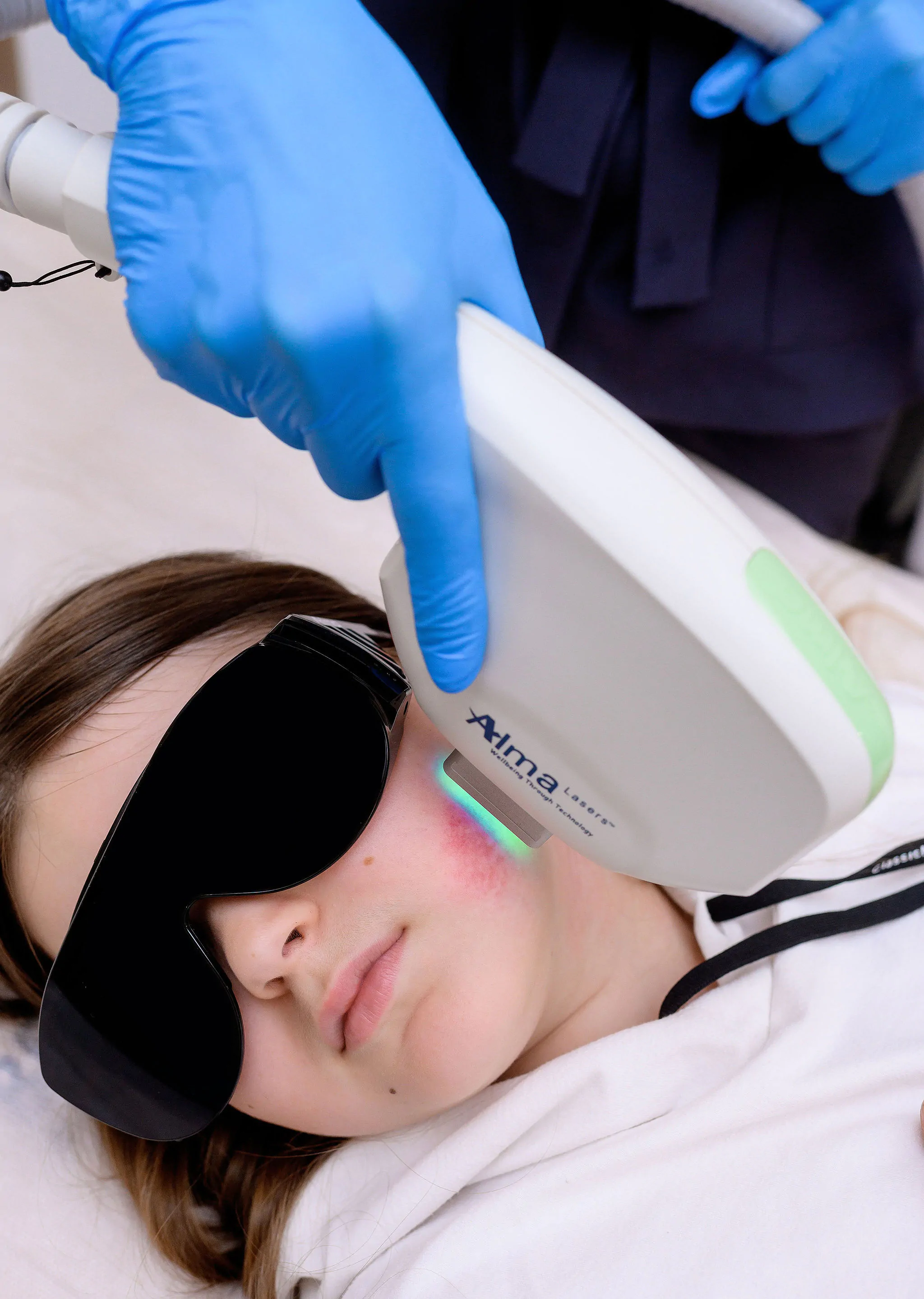
Laser removal of blood vessels
In our clinic, a suitable laser is used for each type of vascular neoplasm. We use the most innovative laser on the world market Harmony XL PRO 2020 (Alma Lasers, Israel).
Read more
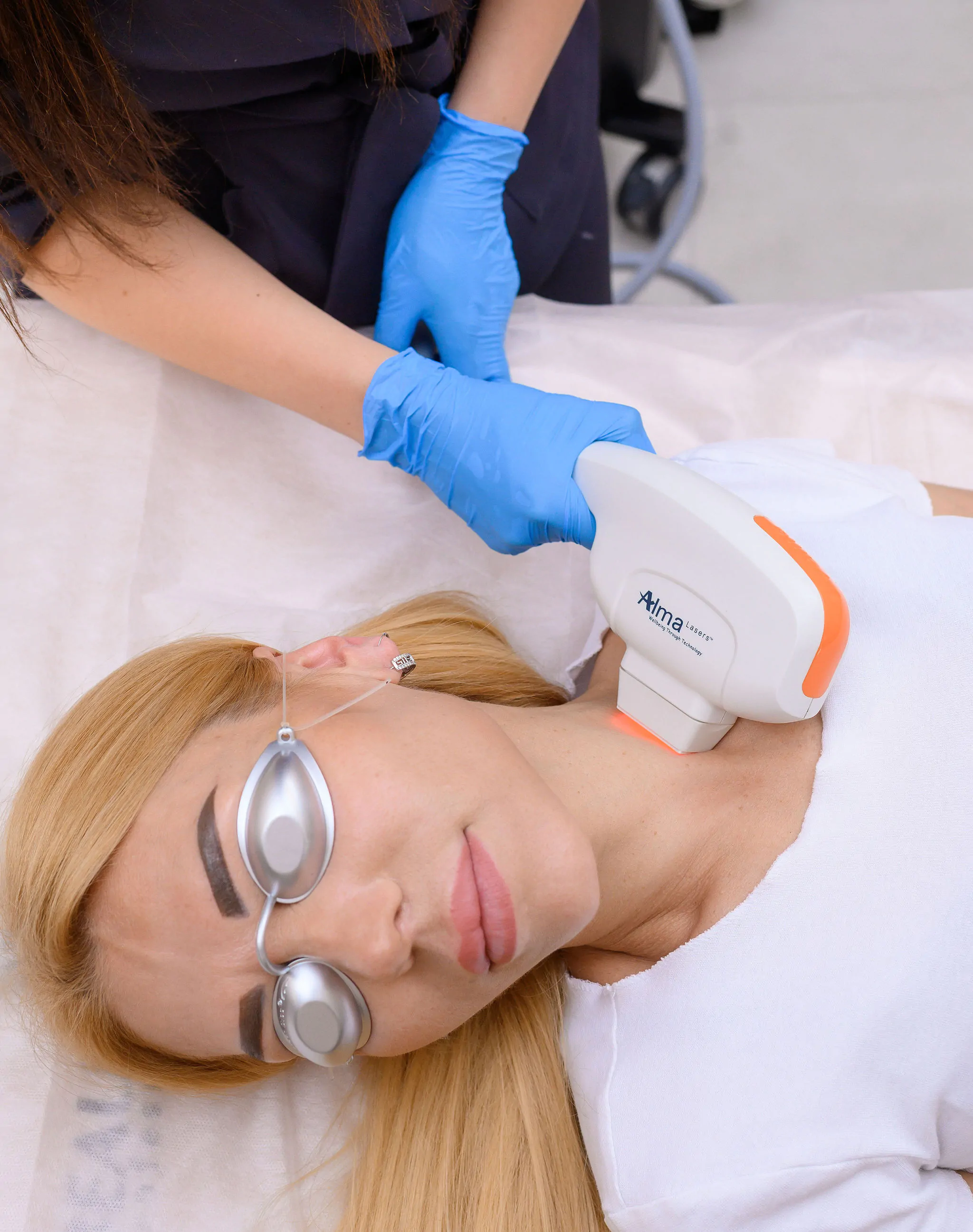
Thermolifting
This is a modern non-invasive hardware technique that is used to successfully lift the oval of the face, as well as in the process of combating age-related changes in the skin. In Lviv, this service is provided by the Clinic of Aesthetic Medicine of M. Novosilska.
Read more
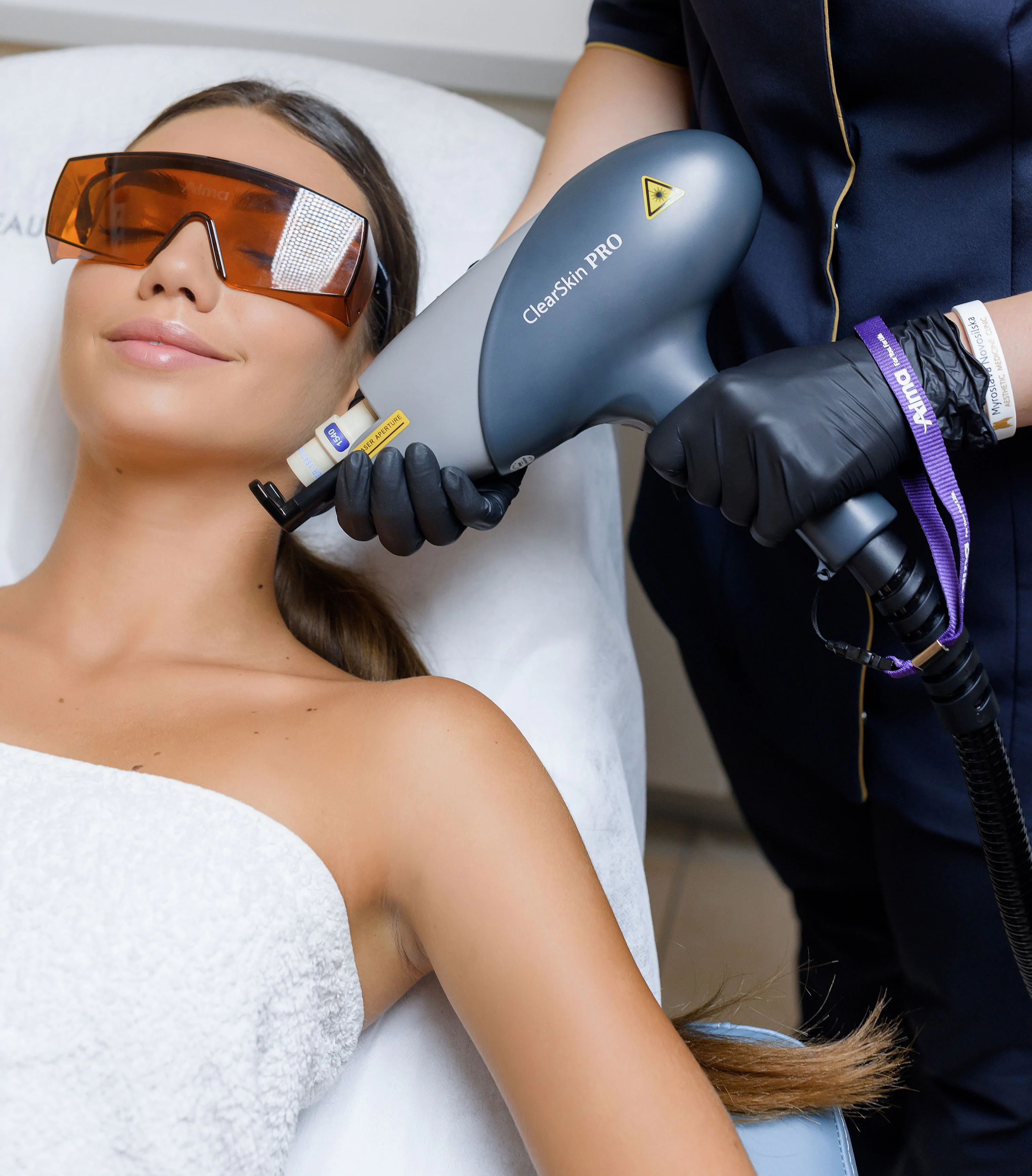
Laser polishing of the face
Experienced and qualified specialists work here, who will help to deal with similar defects on the skin of the face using the only Harmony XL Pro laser device in the city from the German manufacturer Alma.
Read more

Laser removal of birthmarks
In the Clinic of Aesthetic Medicine of M. Novoselskaya, the procedure "laser removal of birthmarks" is carried out with the help of a modern laser device that copes with small formations.
Read more
Frequently asked questions
What does hyperkeratosis look like?
In places of hyperkeratosis, the skin thickens and is covered with dry scales, tubercles, or crusts from a beige to brown shade, up to 4-5 cm in diameter. As a rule, hyperkeratosis is accompanied by a decrease in the functions of the sebaceous glands, a violation of the water-lipid barrier of the skin, and a loss of sensitivity in the areas of its localization.
Which specialist should I contact?
Diagnosis and treatment of hyperkeratosis is carried out by a dermatologist or a podiatrist, if thickening of the skin is present on the foot. The specialist conducts an examination, collects an anamnesis, learns the peculiarities of the lifestyle. This information helps him find out the reason for the appearance of roughened areas.
How long does treatment take?
Treatment of the disease takes from several weeks to several months, depending on the symptoms and causes of the condition. The terms may be different, depending on the situation.
Make an appointment
for a free consultation
for a free consultation
Fill out the form and consult with our specialist

 UA
UA RU
RU