


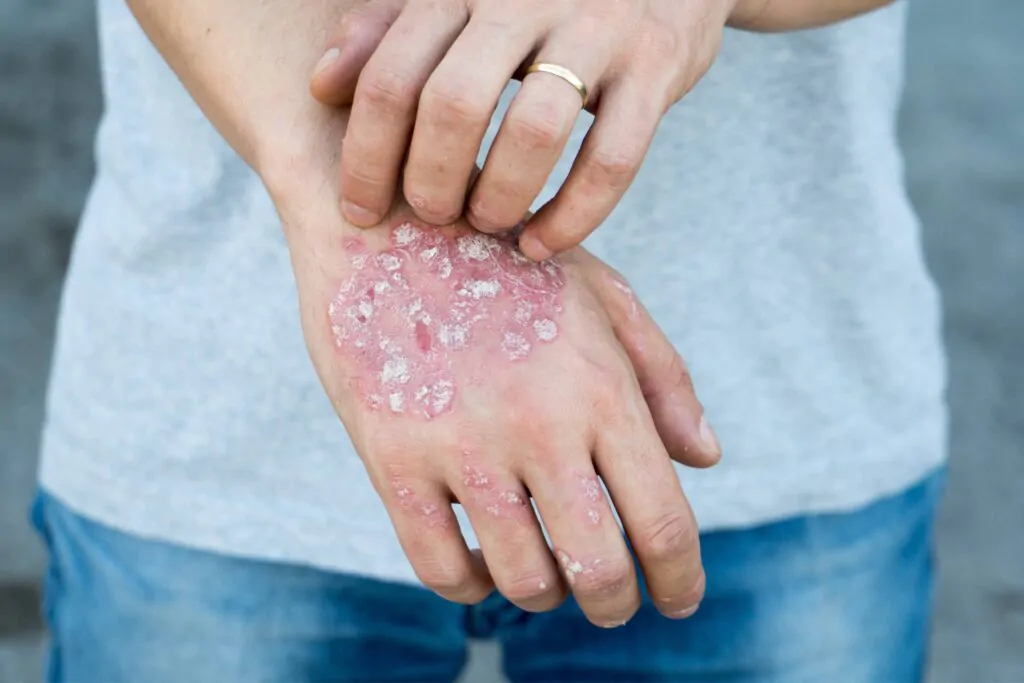
Modern methods of psoriasis treatment in Lviv
Psoriasis is a chronic inflammatory disease with a relapsing course. Its main characteristic is an accelerated life cycle of epithelial cells, causing them to accumulate on the skin’s surface and form clearly defined red plaques with characteristic silvery scaling.
Psoriasis typically affects not only the skin in various areas of the body but also the joints and the nail plate. The disease can affect anyone, regardless of age.
It’s important to be honest about what modern dermatology confirms: psoriasis is a chronic condition, and as of today, there is no method that “cures it forever.” But that’s no reason to despair. In my 18 years of working with trichological and dermatological skin conditions, I’ve seen that with a properly tailored, comprehensive strategy, it’s possible to achieve stable, long-term remission—where the skin remains clear for years, not just months. At Dr. Myroslava Novosilska’s Aesthetic Medicine Clinic, our specialists will help develop such a strategy tailored to each patient’s individual needs.
Our Patients’ Results
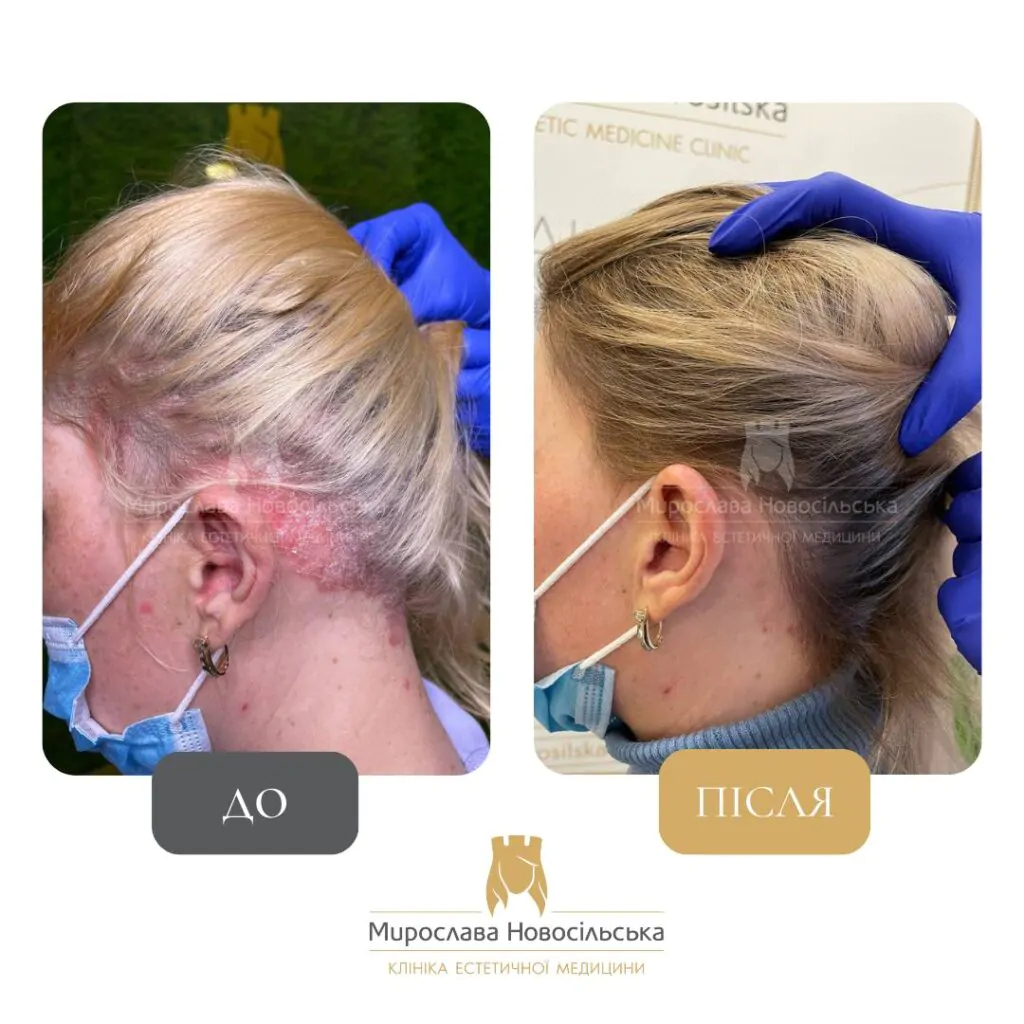
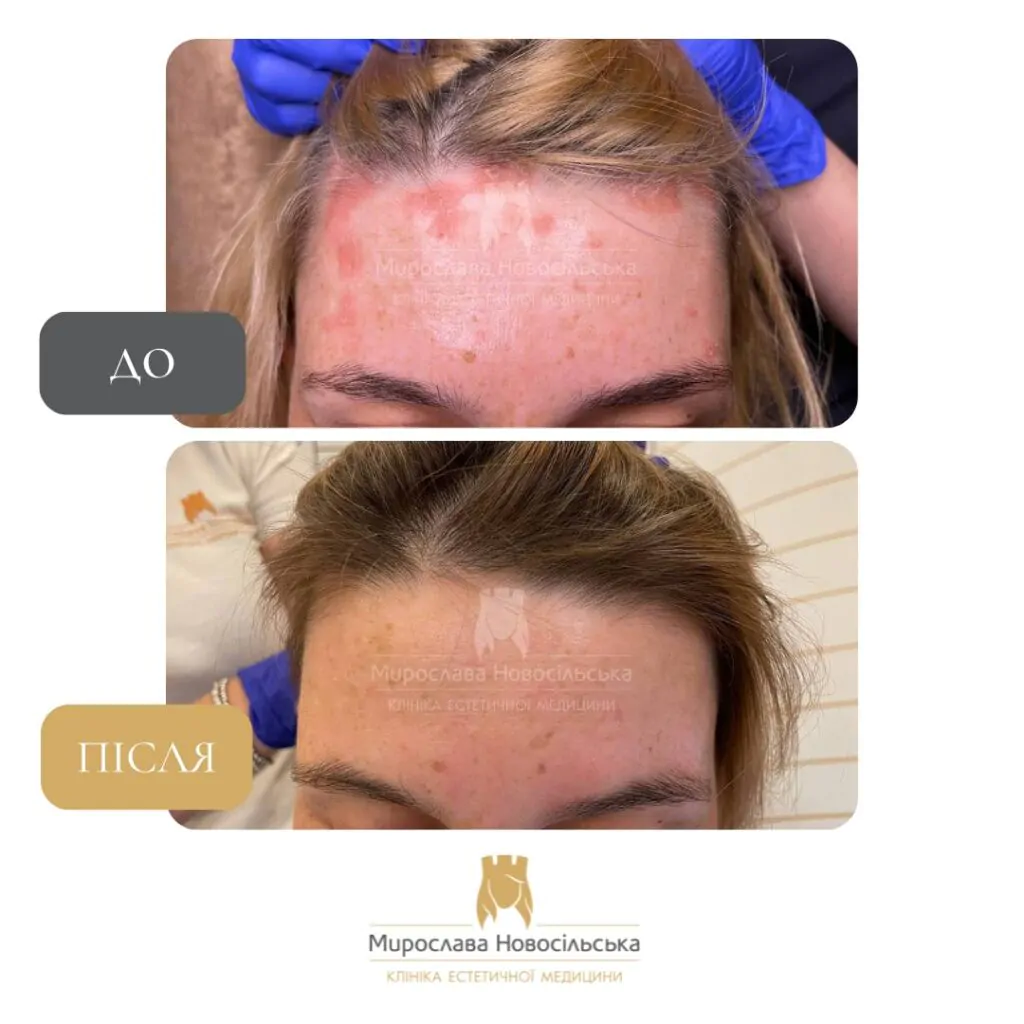
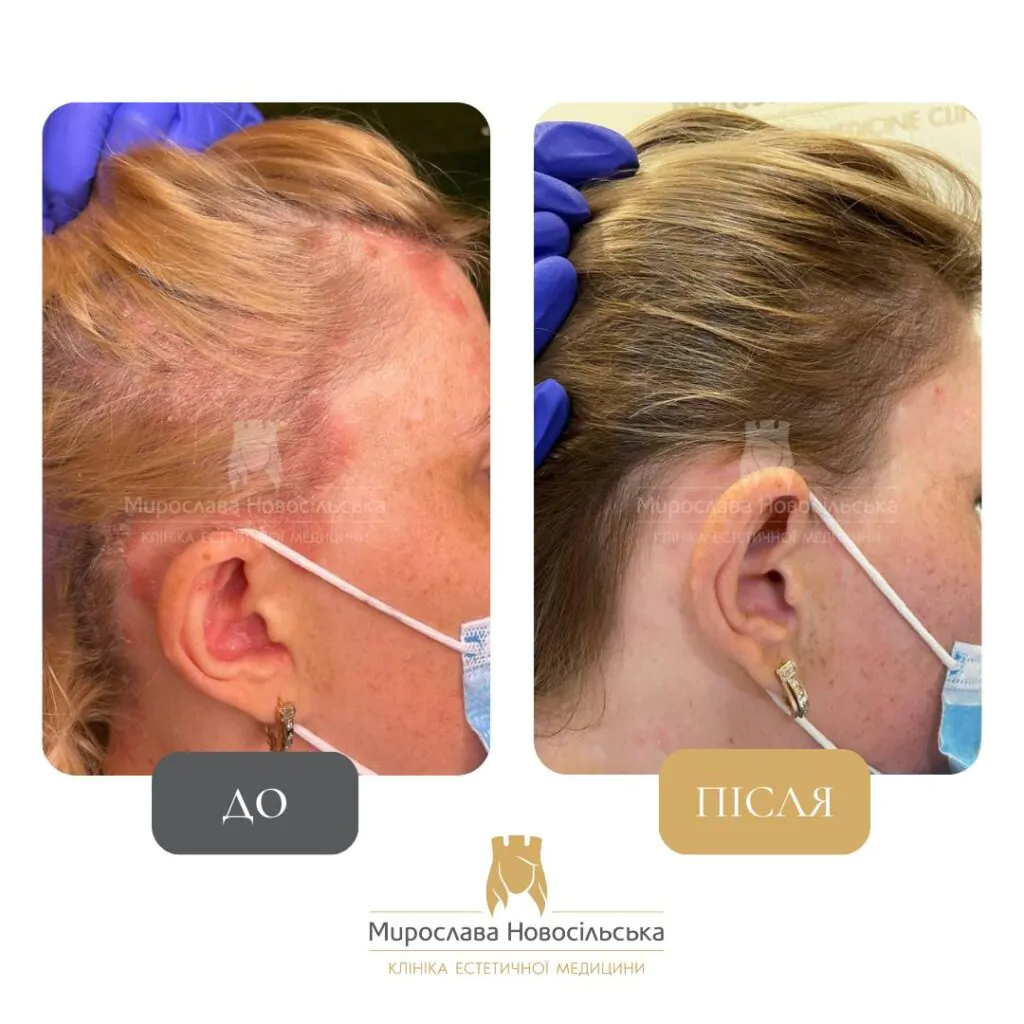
In our practice, we have patients who have achieved truly long-term remission—and these are not isolated cases, but rather the result of a systematic approach:
- An adult patient — sustained remission for over 5 years following completion of the full treatment protocol and subsequent follow-up care.
- A child — sustained remission for over 3 years, despite the fact that the family has been living in a war zone all this time, facing stress, relocations, and limited access to their normal daily life and medical care. This is one of the cases I’m most proud of: when we manage to maintain the stability of a child’s skin even under unstable living conditions.
Such results are no coincidence. They stem from the fact that we don’t just treat the external manifestation (skin lesions), but address the underlying causes of flare-ups.
Patients of our clinic

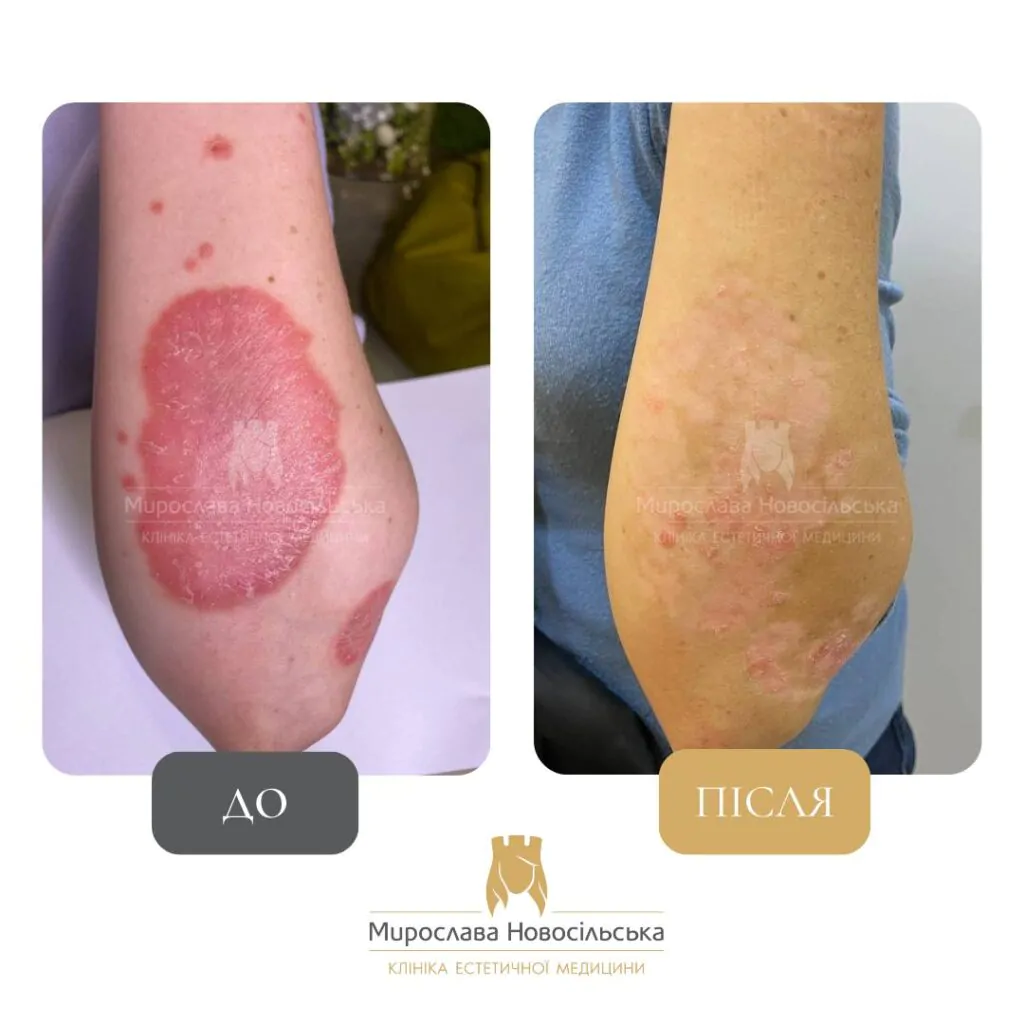
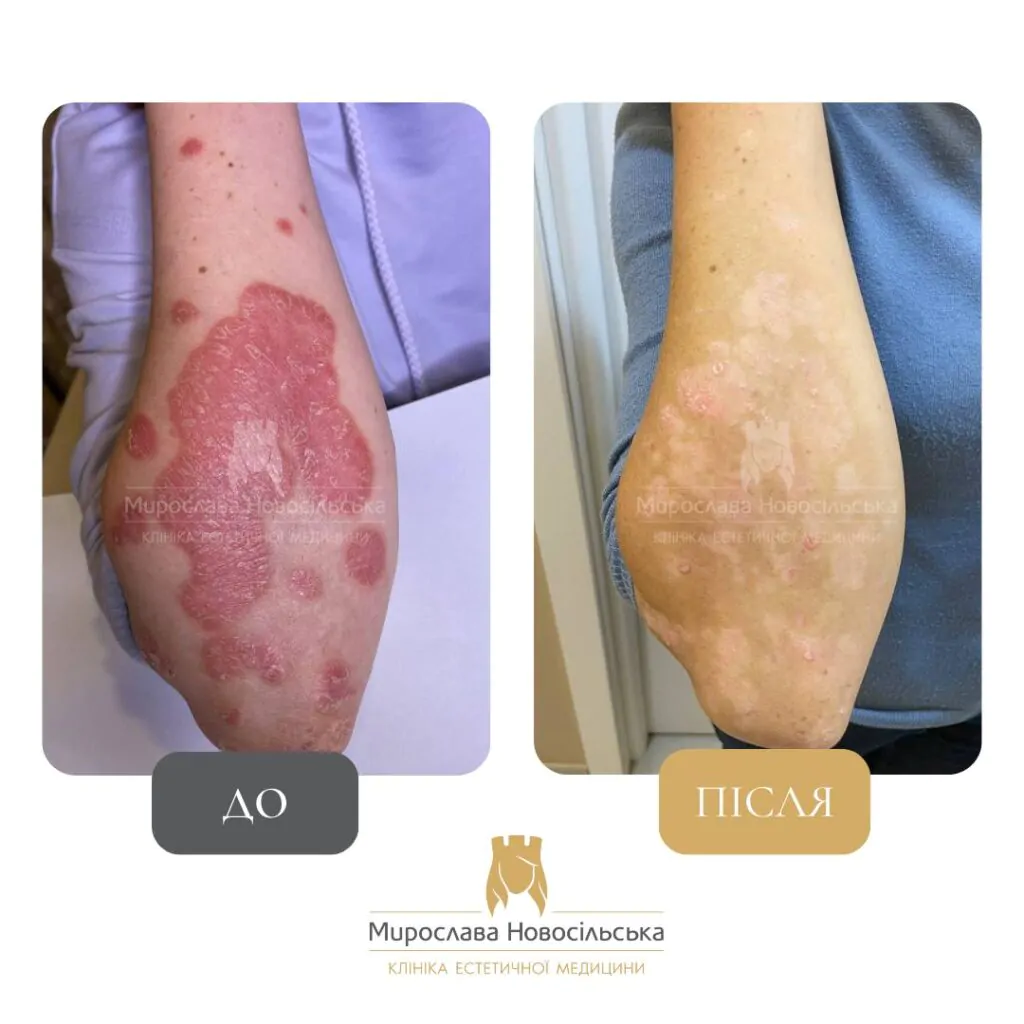
The main symptoms of psoriasis
- Convex spots with characteristic white scales;
- Pain in the joints;
- Itching in areas with the rash;
- Dryness and peeling of the skin;
- Frequent bleeding occurs from cracks formed on plaques;
- Cracks or blisters appear;
- Deformed nail plate.
Schedule an appointment with a dermatologist and find out the prices for laser treatment for psoriasis in Lviv.
Types of psoriasis
When studying the types of psoriasis, doctors distinguish five main types:
- Simple, common psoriasis, which is most often observed in adults and children (85%). The first signs of psoriasis are presence of redness on certain areas of the skin with white scales. If you accidentally injure such scales, they begin to bleed, which in the future will lead to painful sensations.
- Reverse – is formed at the bends: in women, this disease can occur under the breasts, in the folds of the skin, in the armpits, on the inner surface of the thigh.
- Pustular, when blisters appear on the skin of a transparent color, similar to a burn. At the same time around the pustule there is inflammation, redness of the skin.
- Drip psoriasis – several small bubbles of purple or reddish hue are formed on the skin. The name is explained by the shape of such bubbles – dots or drops.
- Erythrodermic psoriasis is a severe form of the disease in which, in addition to plaques, there is acute inflammation in the layers of the epidermis. The skin surface beneath the plaques becomes bright pink or reddened, and weeping areas may appear. This form can affect a significant area of the body and requires immediate medical attention.
Device-Based Therapy: Two Technologies in One Protocol
At the M. Novosilska Aesthetic Medicine Clinic, we use a combined device-based approach to treat psoriasis—we do not limit ourselves to a single method, but rather combine two devices, selecting the protocol or combination that is best suited to each individual patient.
308 nm Excimer UV Therapy
The excimer laser (xenon chloride, wavelength 308 nm) is a highly targeted form of phototherapy that acts exclusively on affected areas of the skin without affecting healthy skin. The effectiveness of this technology has been confirmed by clinical studies: according to a published clinical trial involving 40 patients, the Psoriasis Area and Severity Index (PASI) improved by 90% for the patchy type and by 77% for the chronic plaque type after a course of treatment.
Studies involving both children and adults have also confirmed the safety of the method in both age groups.
Harmony XL Pro Platform (Alma)
The second device is the multifunctional Harmony XL Pro platform manufactured by Alma, which, among other features, includes a powerful UV light module (270–380 nm) for treating psoriasis, eczema, and seborrheic dermatitis. Combining this platform with excimer therapy allows for more flexible protocol selection depending on the location, extent of the lesion, and type of psoriasis.
The course of treatment is always determined by the doctor on an individual basis, taking into account the patient’s specific condition. On average, procedures are repeated 2–3 times a week with a minimum interval of 48 hours. A visible reduction in plaques usually requires 6 to 10 procedures, and patients typically notice the first positive effects within the first month of treatment.
Advantages of device-based treatment
- A comfortable and safe procedure, without pain;
- Clinically proven effectiveness (evidence base for 308-nm excimer therapy);
- Targets only damaged areas of the skin; healthy areas are not affected;
- No lengthy rehabilitation period.
How to treat psoriasis: other methods
When understanding how to treat psoriasis on the body, it is important to remember that in this case, complex therapy using several methods will help. To date, there are the following treatment options:
- Topical therapy – various ointments for psoriasis and creams are used to help cope with severe peeling of the skin and itching. However, psoriasis cream can help only in the presence of small affected areas of skin.
- Drug therapy is an additional method when ointments and creams no longer work. The task of drugs is to reduce inflammation, remove swelling and itching, and block the activity of skin cells. However, it should be born in mind that almost all pills have many side effects: poor appetite, fatigue, drowsiness, high blood pressure. Therefore, before taking medication, be sure to consult a doctor.
- Therapeutic shampoos and lotions. Treatment of psoriasis on the head and neck is practiced with the help of such means. These can be special tar shampoos, antifungals, shampoos that contain corticosteroids. The task of lotions and shampoos is to localize the pathogens of pathological inflammation, they help get rid of scales, burning and itching.
- Psoriasis injections are an injectable treatment. Antihistamines help block severe itching and biologics protect the immune system.
Also, it is important to take vitamins for psoriasis, the list of which is determined by a doctor based on the results of the diagnosis of your body.
Features of psoriasis on the head
Psoriasis of the scalp can be of two types – simple and drop-like. This type is often called seborrheic, and the first symptoms are severe peeling of the scalp, which some may confuse with dandruff. Over time, plaques appear which are covered with scales, the skin itches.
Patients are prescribed hormonal drugs, vitamins, various cosmetics.
Features of psoriasis on the face
Guttate psoriasis can also appear on the face, but this form of the disease is quite rare. After the papules disappear, the person may be left with noticeable scars.
Most often, it results from a genetic predisposition, prolonged stress, or a weakened immune system. Treatment involves a laser therapy using ultraviolet radiation, as well as carefully selected topical medications.
Features of psoriasis on the feet
Psoriasis on the hands and feet often has a hereditary predisposition. The treatment is comprehensive:
- the patient is prescribed a certain diet;
- lack of intense physical activity, which leads to profuse sweating;
- ointments, creams, solutions;
- physiotherapy;
- acupuncture;
- laser treatment and more.
Before prescribing a course of treatment, the doctor determines the specific stage of the disease, the patient’s age, as well as the presence / absence of comorbidities.
Psoriasis in a child
It is difficult to understand how psoriasis begins in children. In most cases, the disease proceeds differently than in adults. The first to suffer are the knees, elbows, scalp, face, where red rashes begin to appear. When trying to understand what psoriasis looks like in children, it is important to remember that, unlike in adults, scaling and weeping crusts are less pronounced in children; therefore, a histological analysis of a small skin sample is sometimes necessary to confirm the diagnosis.
Psoriasis in infants under 2 years of age can occur in the folds of the skin, in the area of wearing diapers. The main difference between this disease and diaper rash is the presence of a bright red hue and a clear outline with a slight itching. Psoriasis on the head most often occurs in children aged 10 years and older.
Treatment consists of caring for the baby’s skin and using topical therapies using ointments, lotions and creams.
Why Our Approach Delivers Long-Lasting Results
Laser therapy alleviates external symptoms, but on its own does not guarantee long-term remission unless the body is treated holistically. That is why, at our clinic, psoriasis treatment is approached on several levels simultaneously:
- In-depth analysis of test results. Before prescribing any therapy, we thoroughly analyze the patient’s lab results—this allows us to identify hidden triggers of flare-ups (inflammatory markers, deficiencies, comorbid conditions) rather than simply treating the symptom.
- Restoration of the skin microbiome. A healthy skin microbiome is one of the key factors in managing inflammatory skin conditions. We select skincare products and protocols that specifically support and restore the skin’s microbial balance, rather than merely moisturizing or relieving flaking.
- Personalized nutrition. Based on test results and the clinical picture, a dietary protocol is prescribed to reduce systemic inflammation—one of the main factors that triggers psoriasis flare-ups.
- Customized skincare products. For daily at-home care, we select products that support the skin’s barrier function between treatments and during the maintenance phase of treatment.
- Device-based therapy — a combination of two technologies. 308 nm excimer UV therapy combined with the Harmony XL Pro platform allows us to select the optimal treatment protocol specifically tailored to the patient’s particular type and stage of psoriasis.
- Regular follow-up. Once every six months, we invite the patient for a follow-up consultation: we assess the condition of the skin and, if necessary, adjust their diet and skincare routine to prevent flare-ups before they occur.
We pay special attention to patients with scalp psoriasis. Chronic inflammation can be accompanied by intense itching, flaking, and temporary hair loss. That is why trichoscopy, assessment of the condition of hair follicles, and timely control of inflammation are important components of comprehensive treatment for these patients.
It is the combination of these steps—not just the device-based procedure—that yields the long-term remission results described above.
New Treatment Options for Psoriasis: What Has Changed in Global Dermatology in 2025–2026
Just a few years ago, psoriasis treatment was primarily based on topical corticosteroids, phototherapy, and systemic immunosuppressive drugs. Today, the possibilities of modern dermatology are much broader. Thanks to advances in immunology and molecular medicine, new medications have emerged that target the underlying mechanisms of psoriasis, helping to control inflammation more effectively, achieve longer-lasting remission, and reduce the risk of flare-ups.
New non-steroidal topical medications.
- Roflumilast — a phosphodiesterase-4 (PDE4) inhibitor;
- Tapinarof — a medication that acts on the aryl hydrocarbon receptor (AhR);
- Ruxolitinib — a topical Janus kinase (JAK) inhibitor.
These medications help control inflammation, itching, and redness, and in many cases reduce the need for long-term use of topical steroids. Some of them have already been approved for use in children from an early age (depending on the indications and official instructions).
Biological therapy continues to evolve.
For moderate-to-severe psoriasis, current international guidelines increasingly recommend the use of biologics that selectively block key inflammatory molecules—IL-17, IL-23, and TNF-α. This approach allows for a high degree of skin clearance and helps maintain remission over the long term. In 2025–2026, the indications for biological therapy in children and adolescents will continue to expand: for example, secukinumab has received expanded indications for the treatment of not only psoriasis but also hidradenitis suppurativa in the relevant age groups.
A New Generation of Oral Therapies.
Another important area of development is the emergence of modern oral medications that target IL-23 signaling pathways. These may serve as an alternative to injectable therapy for certain patient groups and have demonstrated high efficacy in clinical trials.
What Does This Mean for Patients?
The modern goal of psoriasis treatment is not simply to temporarily clear up plaques, but to control inflammation as quickly as possible, prevent new flare-ups, reduce the risk of nail and joint damage, improve quality of life, and maintain long-term remission.
That is why international guidelines increasingly emphasize early diagnosis, personalized treatment, and regular follow-up care for patients.
Why You Should Choose Our Clinic
I am Myroslava Novosilska, a dermatologic oncologist, trichologist, and hair transplant surgeon with 26 years of clinical experience, 18 of which have been dedicated to scalp and hair disorders. I am an associate member of the ISHRS (since 2021), the author of 17 scientific publications, and the creator of my own FUE classification system, which I teach internationally.
In addition to my clinical practice, I am a member of the American College of Lifestyle Medicine (ACLM) and participate in the organization’s specialized interest groups—particularly those focusing on lifestyle as medicine for cancer patients, researchers, and women’s health. This allows me to view psoriasis not merely as a skin condition, but within the context of a holistic approach to the patient’s health: nutrition, inflammation, stress, and lifestyle—all of these factors influence the course of this chronic skin disease just as much as direct skin treatment does.
That is why, in the treatment of psoriasis at our clinic, device-based therapy is just one component. We combine in-depth laboratory diagnostics, restoration of the skin microbiome, personalized nutrition, tailored home care, and scheduled follow-ups every six months. This systematic approach yields results: patients—including children—achieve years of sustained remission, even under extremely challenging living conditions.
Frequently Asked Questions About Psoriasis Treatment
Can psoriasis be cured permanently?
No, a complete cure is not currently possible—psoriasis remains a chronic condition. However, with a properly tailored comprehensive treatment plan, it is possible to achieve sustained remission for years, during which the skin remains clear without flare-ups.
How long does a course of laser therapy last?
On average, 6–10 sessions, 2–3 times a week, with a minimum interval of 48 hours; patients usually notice the first improvements within the first month.
Is the procedure painful?
No, excimer UV therapy and Harmony XL Pro are pain-free and require no recovery period—you can return to your normal routine immediately.
How much does psoriasis treatment cost in Lviv?
The cost depends on the affected area, the type of psoriasis, and the chosen treatment protocol—the doctor will provide an exact price after an in-person or online consultation and examination.
Is laser treatment suitable for children?
Yes, according to clinical studies, the method has been proven safe for both age groups—adults and children—but the treatment protocol and dosage are always tailored individually by the doctor.

Candidate of Medical Sciences.
Dermatologist, trichologist, transplant surgeon.
President of the Ukrainian Association of Hair Restoration Surgery.
Member of ISHRS,
Honorary member of the Fue Asia Academy Faculty.
Work experience 20 years

 UA
UA RU
RU