


How to Restore Hair After Cancer Treatment
Fighting cancer is always a difficult and painful journey. However, even during such challenging times, we all want to feel beautiful, confident, and happy with our reflection in the mirror. That is why the moment when chemotherapy causes hair loss can be especially distressing.
Why can hair loss be so severe? Is it possible to stop this process? Is there a chance to restore lost hair after treatment is completed? These are just some of the questions people ask themselves during this time. Today, we will answer them.
Chemotherapy causes hair loss because this type of treatment targets rapidly dividing cells — cancer cells. However, during treatment, other rapidly growing cells in the body may also be affected, including hair follicle cells (on all parts of the body without exception). Learn more about the mechanism of chemotherapy-related hair loss from Cancer Research UK.
Noticeable hair loss usually begins 2–3 weeks after the first chemotherapy session. Hair gradually becomes thinner and starts to fall out. The rate and severity of hair loss vary from person to person and depend on many factors, including genetics, treatment intensity, overall health, and more.
However, when starting chemotherapy, it is important to remember that it is not a life sentence for you or your hair. In fact, your hair may not fall out at all (this is also quite common), and even if it does, it will usually begin to grow back after treatment has ended. Moreover, your new hair may surprise you by changing its texture or appearance. For example, naturally curly hair may grow back straight, or the color may change. More information about hair regrowth timelines and possible texture or color changes is available from the National Cancer Institute (NCI).
Before


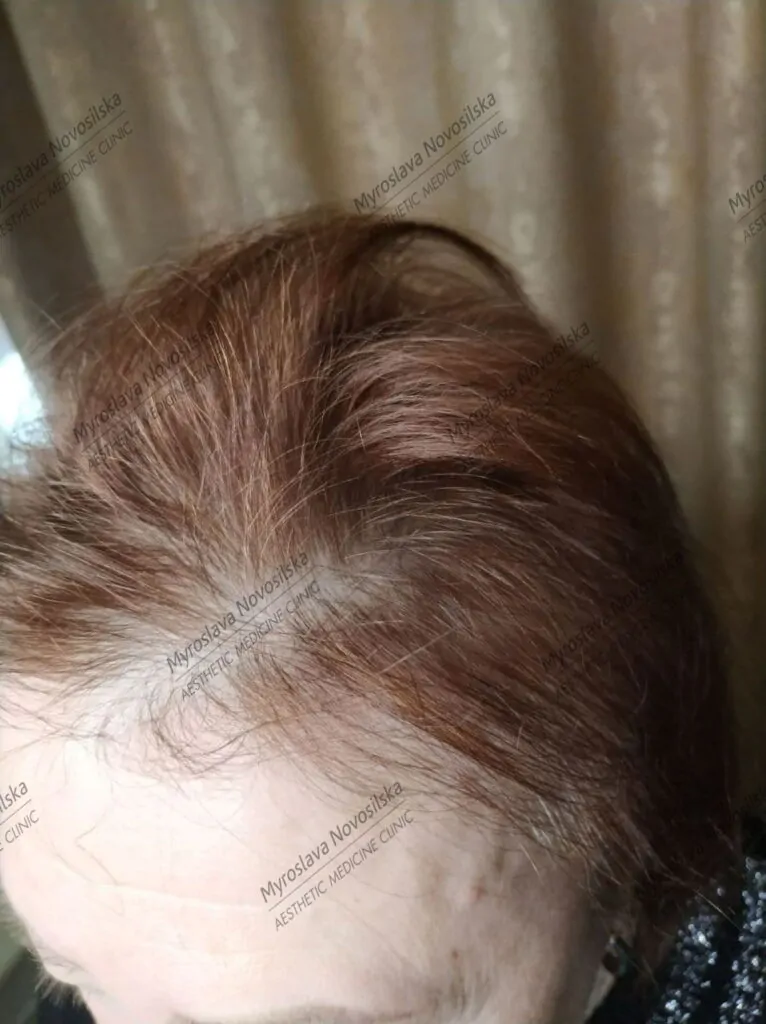
After
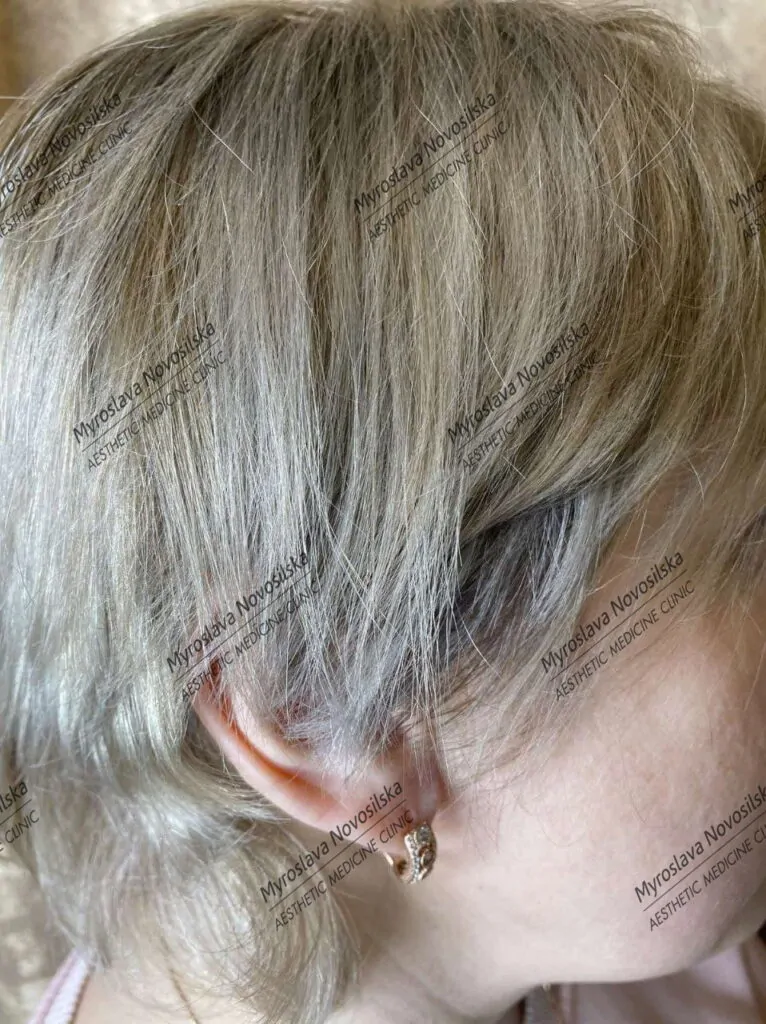
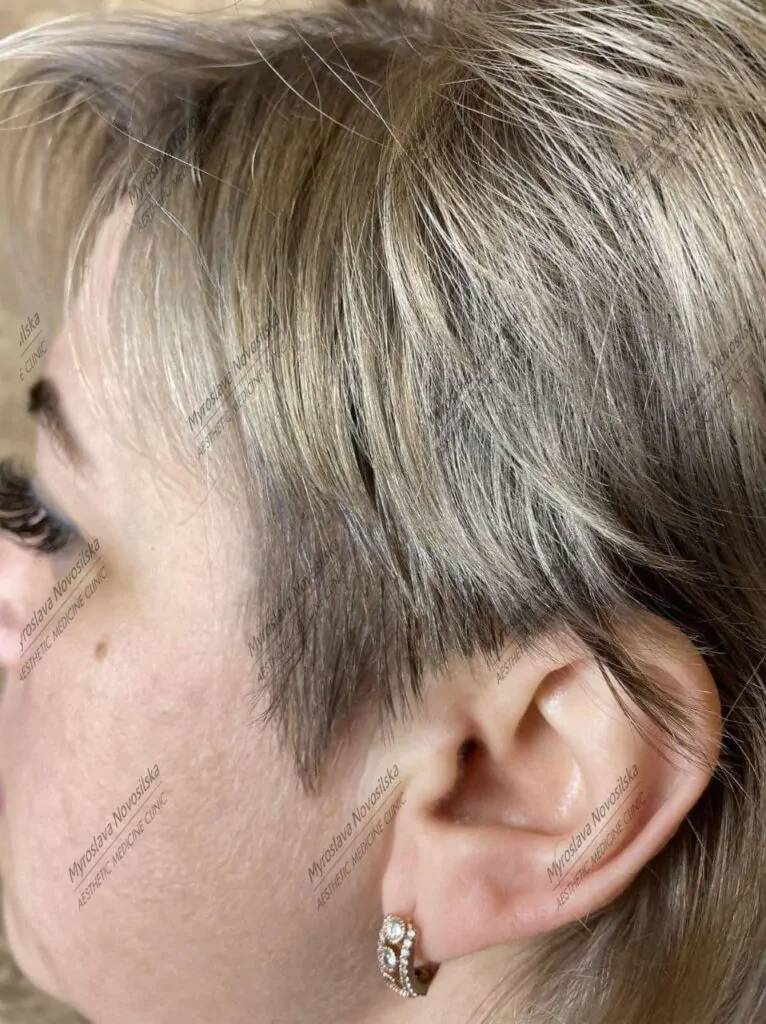
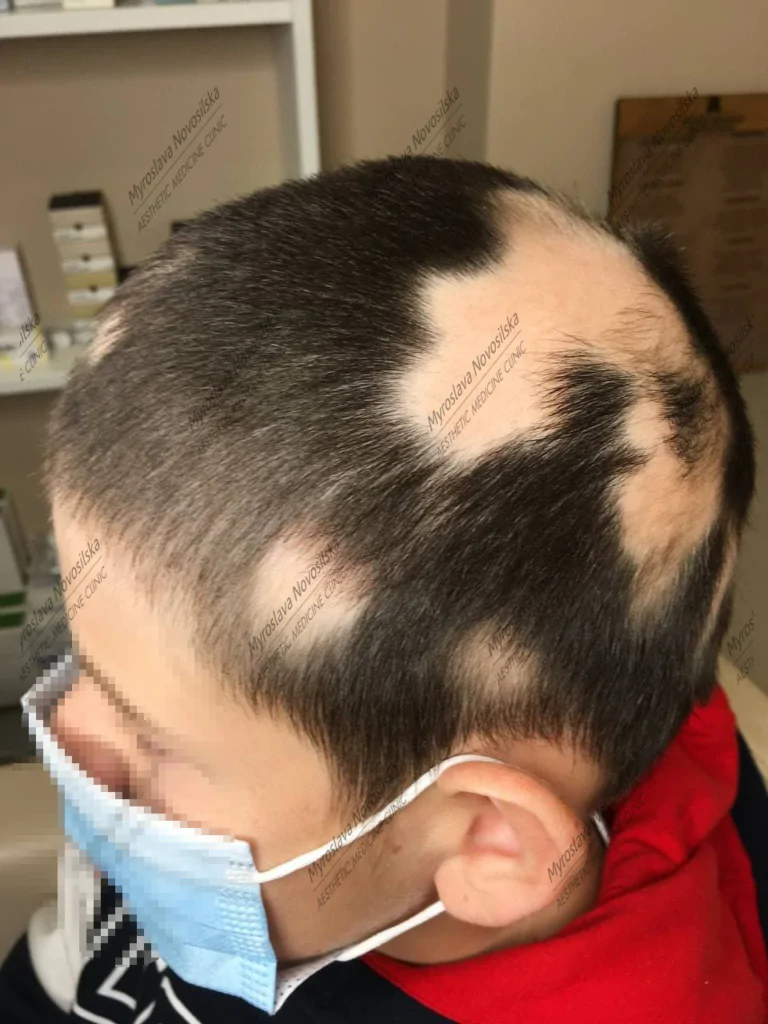
Before
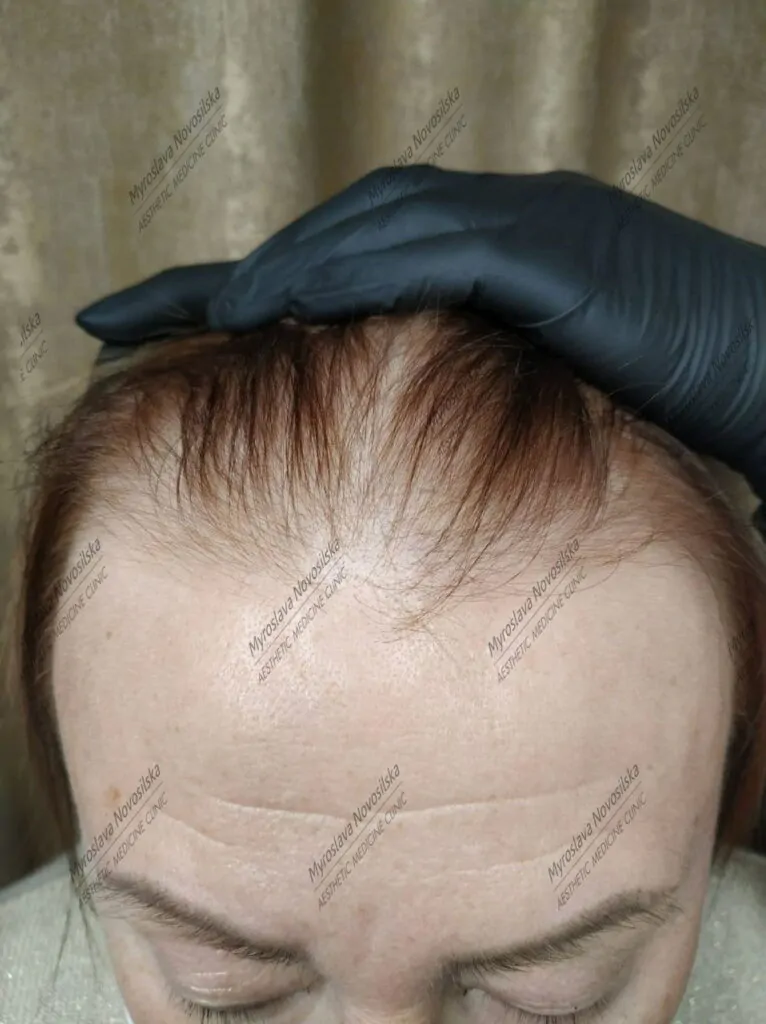
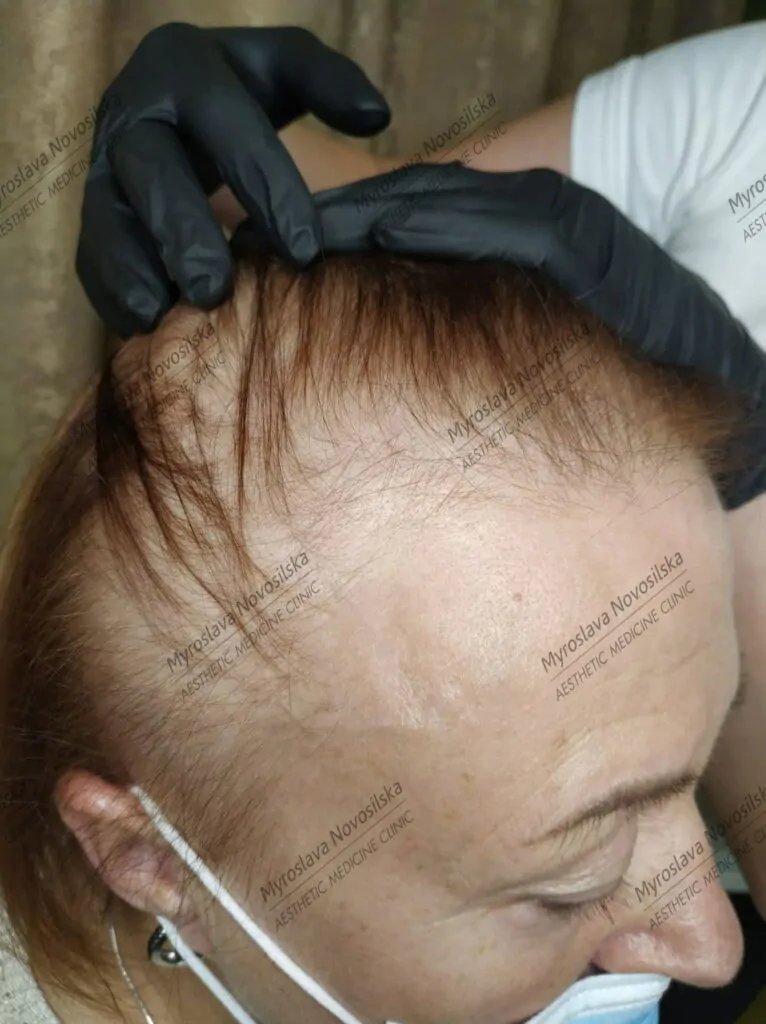
After
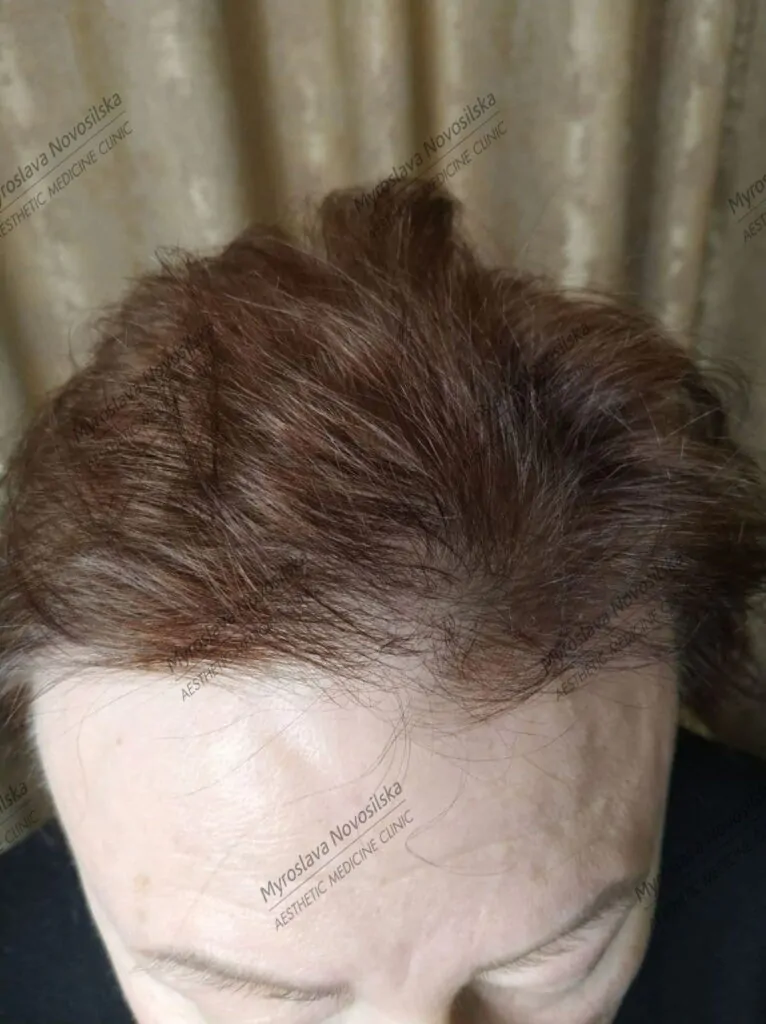
Before
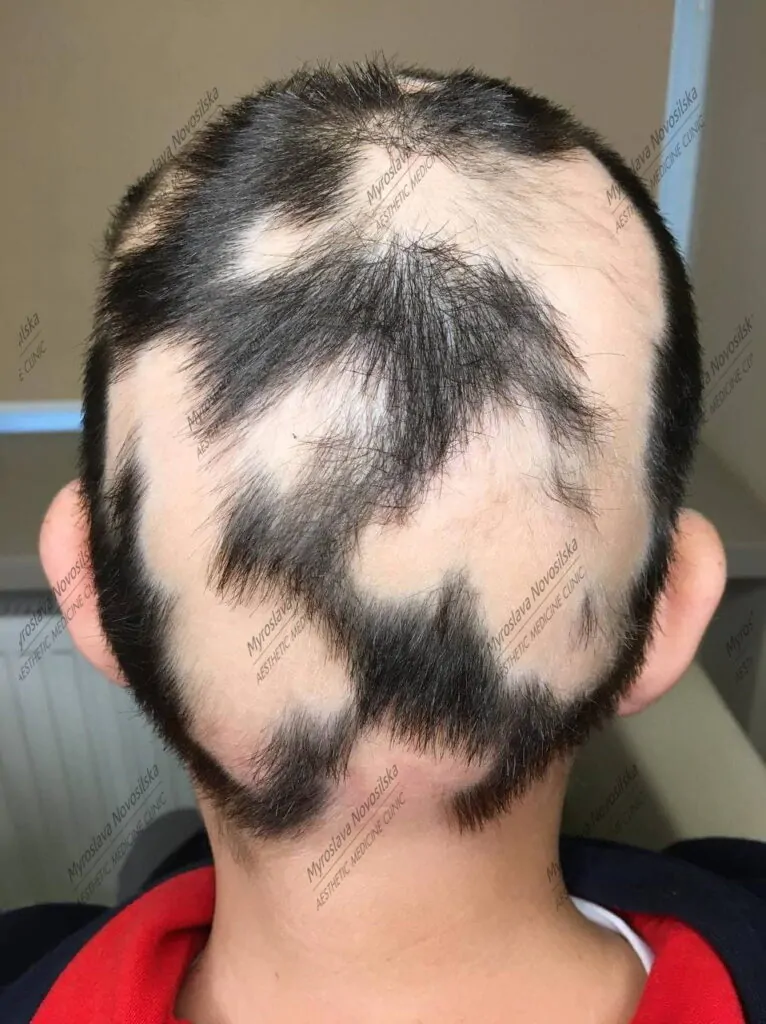
After
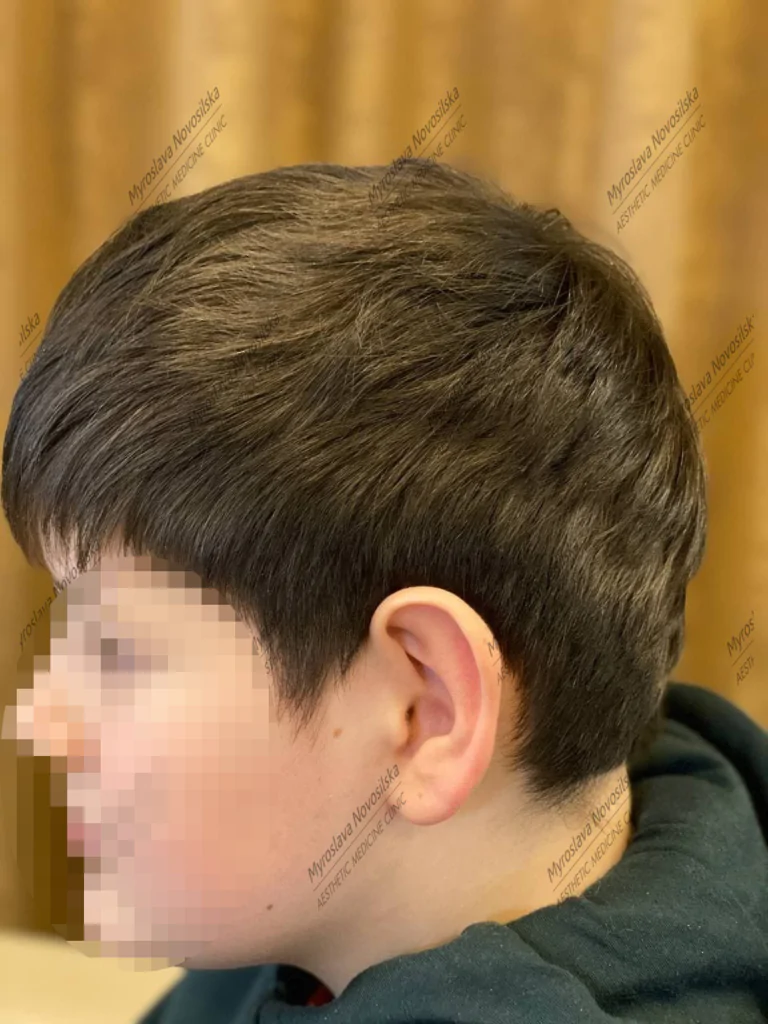
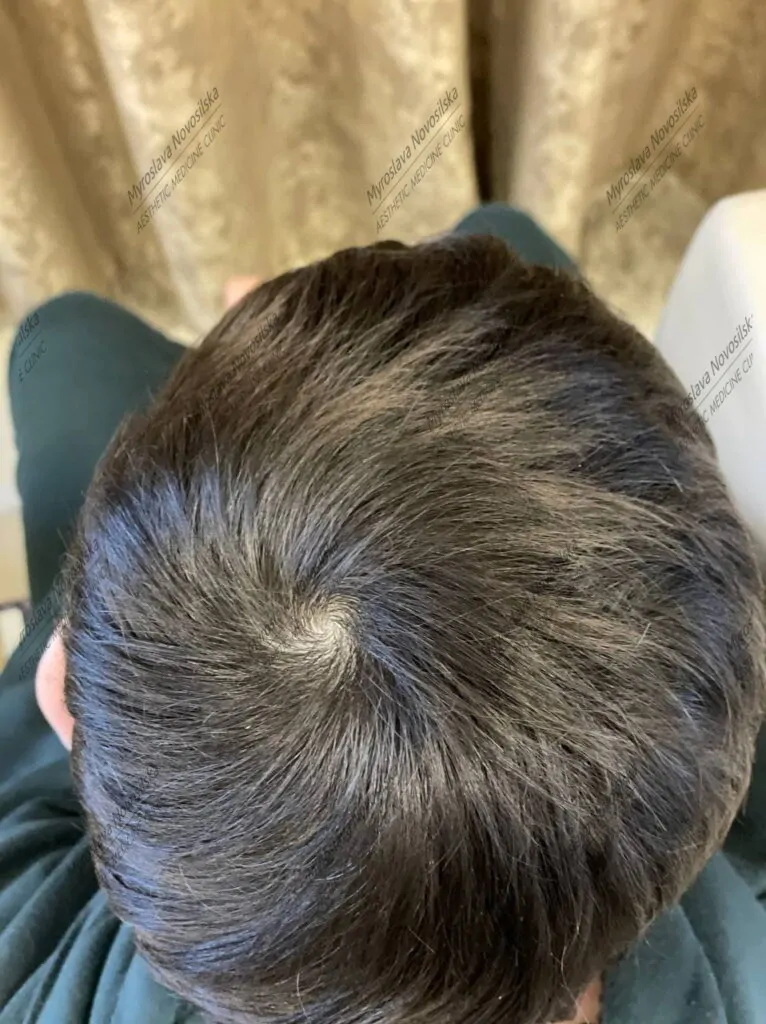
That is why it is so important not to neglect proper scalp care during treatment. Due to the aggressive effects of chemotherapy, the scalp becomes more sensitive, delicate, and requires special attention and care. Ideally, as recommended by the specialists at Dr. Myroslava Novosilska Aesthetic Medicine Clinic, both the hair and scalp should be prepared for chemotherapy before treatment begins.
For this reason, Myroslava Novosilska Aesthetic Medicine Clinic has developed a specialized trichology support program for patients who are preparing for chemotherapy, currently undergoing treatment, or recovering after it.
The program is not aimed at “saving hair at any cost,” but rather at professionally supporting the scalp and hair follicles during a period of significant physical stress. Its primary goal is to prepare the scalp for upcoming treatment, reduce dryness, itching, and irritation during therapy, and create the most favorable conditions for healthy hair regrowth after treatment is completed.
The Hair and Scalp Preparation Program Before Chemotherapy Includes:
- consultation with a trichologist;
- trichoscopy (a detailed examination of the hair and scalp);
- gentle scalp preparation;
- selection of a personalized home care routine;
- patient education on proper hair care before, during, and after chemotherapy.
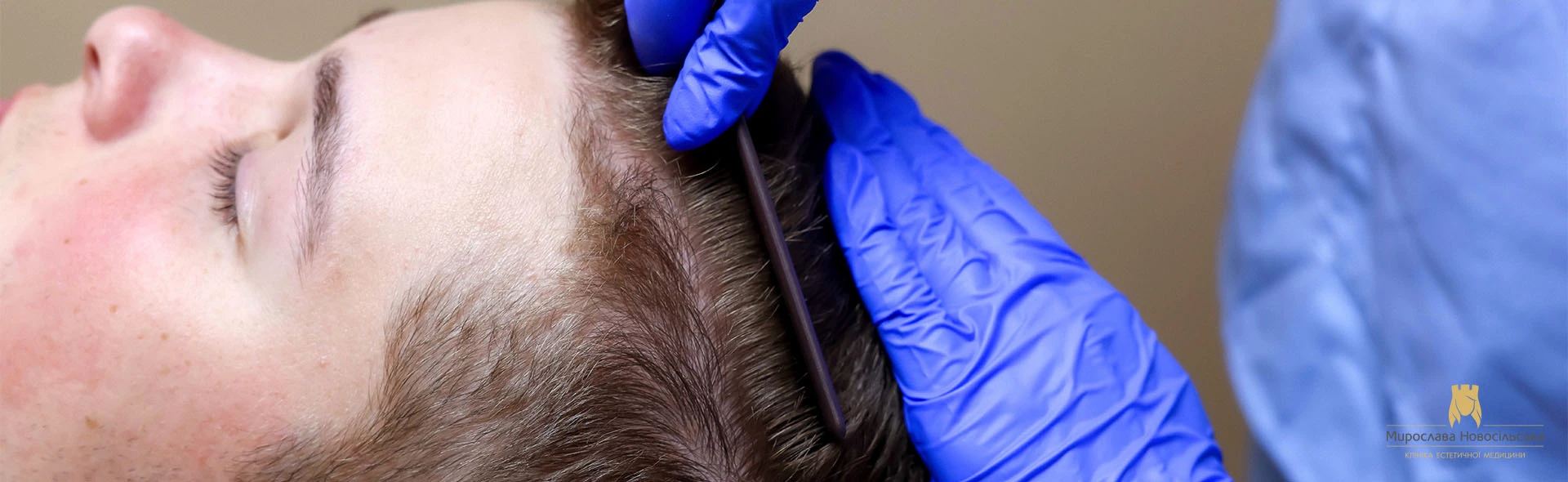
During trichoscopy, the physician evaluates hair density, scalp condition, sebum levels, and possible signs of inflammation. This allows for the selection of the safest and most gentle care regimen.
Before treatment begins, gentle scalp procedures are recommended, including mild detoxification, soothing serums, and barrier-repair therapy. Aggressive chemical peels, hair growth stimulants, and intensive scalp massage are avoided.
A trichologist specializing in oncology recommends taking a comprehensive approach:
- taking individually selected vitamins and supplements;
- undergoing procedures aimed at improving blood circulation;
- following a proper scalp care routine using modern dermatological and cosmetic products.
Improved blood circulation to the hair follicles helps deliver essential nutrients and trace elements required for healthy hair growth.
Hair Loss After Chemotherapy: How to Care for Your Hair During and After Treatment
During chemotherapy, it is important to follow specific hair care recommendations. These recommendations remain relevant even after treatment has been completed. Not every patient experiences complete hair loss, so it is important to preserve the existing hair while supporting the healthy growth of new hair. Practical recommendations for gentle hair and scalp care during treatment are available from the American Cancer Society.
Trichologist-oncologist Myroslava Novosilska recommends:
- gently brushing your hair with a soft brush or a wide-tooth comb as needed;
- avoiding tight hair ties and clips that may damage the hair follicles;
- avoiding hair dryers and other high-heat styling tools;
- washing your hair according to your individual needs as it becomes dirty, using mild shampoos and avoiding aggressive mechanical irritation of the scalp;
- using pillowcases made of natural fabrics;
- wearing a lightweight sleep cap to prevent hair from tangling while sleeping.
It is also recommended to avoid hairsprays, gels, mousses, and other styling products that may weigh down weakened hair.
What Helps Support Hair Follicles During Treatment
Chemotherapy affects the cells of the hair follicle, which is why hair loss is often an unavoidable part of treatment. However, proper hair and scalp care can help minimize follicle damage and prepare them for future recovery.
Myroslava Novosilska, Medical Director of the Clinic, recommends paying attention to several important aspects.
Getting a Short Haircut Before Treatment
Many physicians recommend getting a short haircut before starting chemotherapy.
Short hair:
- is less prone to damage;
- places less stress on the hair follicles;
- can make the psychological impact of hair loss easier to cope with.
Scalp Cooling
One evidence-based method for reducing chemotherapy-induced hair loss is scalp cooling.
This procedure may be performed before, during, or after chemotherapy drugs are administered.
The mechanism of action involves constricting the blood vessels in the scalp, thereby reducing the amount of chemotherapy medication reaching the hair follicles. The effectiveness of this method depends on the type and regimen of chemotherapy, but it is currently considered one of the most scientifically supported approaches for partially protecting hair follicles. However, it is not suitable for everyone and has certain contraindications. The decision to use scalp cooling should always be made together with an oncologist.
What to Do If Your Hair Falls Out After Chemotherapy
If you notice significant hair loss after completing chemotherapy, it is important to seek professional medical advice as soon as possible. At Myroslava Novosilska Aesthetic Medicine Clinic, consultations are provided by a qualified trichologist-oncologist specializing in hair loss treatment.
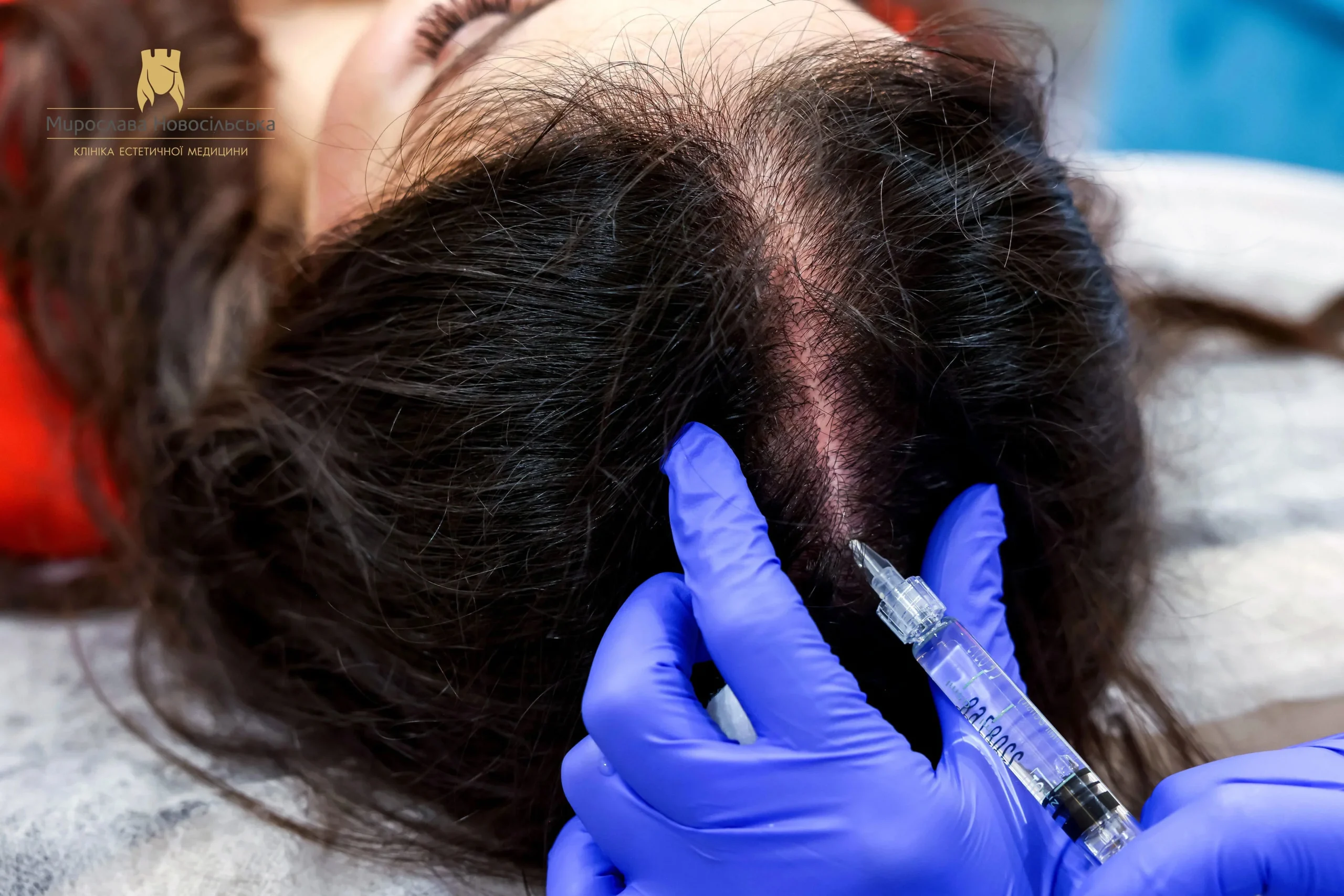
Treatment is tailored individually and may include correction of nutritional deficiencies, medication therapy, professional scalp care, procedures such as scalp mesotherapy, as well as other hair restoration methods depending on the patient’s clinical condition.
Hair Loss Treatment After Chemotherapy at Myroslava Novosilska Clinic
The Clinic is headed by Myroslava Novosilska, a dermatologist-oncologist specializing in hair and scalp disorders in patients undergoing or recovering from cancer treatment.
In her clinical practice, she approaches hair restoration as a controlled biological process rather than simply a cosmetic outcome.
Dr. Myroslava Novosilska regularly participates in international scientific events, including:
- Participation in the SNMMI Annual Meeting (Society of Nuclear Medicine and Molecular Imaging), Chicago, USA, June 24–27, 2023;
- Scientific Pavilion & Clinical Sessions focused on molecular imaging, oncology, and radiology;
- Collaborative programs with the International Atomic Energy Agency (IAEA);
- International sessions focused on patient-centered medicine and comprehensive recovery.
For this purpose, Myroslava Novosilska Aesthetic Medicine Clinic has developed specialized dermatologist-designed scalp care programs for patients preparing for chemotherapy, currently undergoing treatment, or recovering afterward. These programs help stimulate healthy hair regrowth while restoring optimal scalp and hair condition.
You can view the full list of hair treatments and pricing on the service page.
Treatment includes premium professional product lines recognized worldwide. The Clinic also offers a dedicated support program for patients undergoing cancer treatment. It covers every stage of therapy, including preparation before chemotherapy, gentle scalp care during treatment, and professional hair restoration after therapy has been completed.
As a result, proper scalp support during treatment helps reduce the severity of symptoms and creates favorable conditions for future hair regrowth. In most patients, hair gradually returns, although its density, color, or texture may temporarily differ from what it was before treatment.
It is important to remember that an accurate diagnosis accounts for half of the treatment success. Therefore, scheduling a consultation with a qualified physician is essential to developing an effective treatment plan. Self-treatment often leads to serious and potentially dangerous consequences, so it is not worth risking your health.
Dr. Myroslava Novosilska identifies the main types of hair loss after chemotherapy and emphasizes that medicine primarily distinguishes between two key mechanisms: anagen effluvium and telogen effluvium.
Our Clinic applies a comprehensive approach to hair restoration that includes medical assessment, scalp care, and management of the factors affecting hair follicle health.
Myroslava Novosilska recommends viewing hair restoration not as an automatic process, but as a controlled biological response that requires an individualized approach.
She also emphasizes that not every case of hair loss after treatment is caused solely by chemotherapy.
It is important to rule out other contributing factors and, whenever possible, perform trichoscopy before treatment begins to better understand future changes.
Classification of Hair Loss During Chemotherapy
Medicine distinguishes the following types:
- Anagen effluvium — acute hair loss occurring during treatment.
- Telogen effluvium — delayed hair shedding after therapy has been completed.
- Permanent chemotherapy-induced alopecia (PCIA) — a rare condition characterized by incomplete hair regrowth.
Stages of Hair Loss During Cancer Treatment
Hair changes usually occur gradually:
- 2–3 weeks — hair loss begins.
- 4–8 weeks — peak hair loss.
- 3–4 months — initial regrowth.
- 6–12 months — stabilization.
- Up to 24 months — final restoration result.
Risk of Incomplete Hair Recovery
Based on her clinical experience, Dr. Myroslava Novosilska notes that hair does not always fully recover, even six months after treatment.
The main risk factors include:
- certain chemotherapy drugs (especially taxanes);
- a high cumulative dose;
- individual sensitivity.
Additional contributing factors may include:
- coexisting androgenetic alopecia;
- iron, vitamin D, vitamin B12, or zinc deficiency;
- thyroid disorders;
- autoimmune diseases;
- scarring changes of the scalp.
In some patients, hair may regrow more slowly or develop changes in texture and density. Therefore, every case should be assessed individually.
When Should You See a Doctor Again?
If your hair does not begin to regrow within 6–9 months after completing treatment, or if hair loss continues for more than 12 months, you should consult a dermatologist to rule out other causes of alopecia.
Hair changes may occur not only after chemotherapy. Hair loss can also develop during other types of cancer treatment, including:
- targeted therapy;
- immunotherapy;
- hormone therapy;
- bone marrow transplantation.
Changes in Hair Structure During Chemotherapy
After cancer treatment, the following changes may occur:
- the appearance of “chemo curls”;
- changes in hair color;
- changes in hair thickness.
It is important to note that any procedures should only be performed after receiving approval from your oncologist or dermatologist-oncologist.
During active treatment, stimulation should be kept to a minimum. The primary focus should be on protecting the scalp, maintaining scalp health, restoring its natural pH balance, and supporting the scalp microbiome.
What Is Not Recommended During Chemotherapy
Dermatologist-oncologist Dr. Myroslava Novosilska emphasizes that not every case of hair loss is reversible. Therefore, the following should be avoided:
- aggressive procedures;
- active hair growth stimulants during chemotherapy;
- self-treatment without proper diagnosis.
Why Metabolic Disorders Are the Key to Hair Recovery After Chemotherapy
When the body experiences nutritional deficiencies, it literally “switches off” hair growth by pushing hair follicles into the resting phase.
Metabolic health determines whether hair follicles have sufficient resources to recover. After chemotherapy, the body enters a recovery mode in which available resources are directed primarily toward supporting vital organs such as the heart, brain, and immune system rather than hair growth.
That is why hair is often one of the first indicators that the body has not yet fully recovered. Even when laboratory test results appear “normal,” hair may fail to grow, grow more slowly, or lose its quality.
The hair follicle is one of the most metabolically active structures in the human body. Healthy hair growth requires oxygen, protein, micronutrients, and adequate energy. When these resources are lacking, the body redirects them to support vital organs, while hair follicles enter the resting phase and temporarily stop active hair production.
Why Standard Laboratory Tests Do Not Always Provide the Full Picture
In clinical practice, it is important to understand that laboratory values within the “normal” reference range are not always optimal for healthy hair growth. The body follows its own hierarchy of priorities: when nutrients or energy are limited, they are first allocated to vital organs rather than to hair follicles.
As a result, even patients with “normal” laboratory results may have hidden deficiencies that negatively affect hair health. For example:
- low ferritin levels may contribute to hair loss even in the absence of anemia;
- vitamin D deficiency may disrupt the hair growth cycle;
- vitamin B12 deficiency affects the division of hair follicle cells.
In such cases, standard laboratory reference ranges do not always reflect the body’s actual needs for optimal hair recovery. Very often, the underlying cause is not the hair itself, but the consequences of treatment, prolonged stress, hormonal changes, or depletion of the body’s resources. In this context, hair becomes an important indicator of internal imbalance.
That is why a modern approach to hair restoration goes beyond cosmetic treatments or hair growth stimulation. It involves correcting nutritional deficiencies, restoring metabolic processes, and normalizing the body’s internal functions. As Dr. Myroslava Novosilska explains, restoring hair is, above all, about restoring the metabolic balance of the entire body.
The Role of Sulfur, the Microbiome, and the Scalp Environment in Hair Recovery After Chemotherapy
After chemotherapy, it is important to assess not only the fact of hair loss itself but also the quality of the environment in which hair recovery takes place.
Hair is composed of keratin, a protein rich in sulfur-containing amino acids, primarily cysteine and methionine. These amino acids form the bonds responsible for the hair’s strength, elasticity, and structure. If protein and amino acid metabolism is disrupted after treatment, hair may regrow but become thinner, more brittle, or change its texture. This is one of the mechanisms that may explain why some patients develop “chemo curls,” experience reduced hair density, or notice uneven hair regrowth.
The condition of the scalp is equally important. Modern research shows that the scalp environment plays a significant role in hair growth and retention: local inflammation, oxidative stress, and an imbalance of the resident microbiome may impair the normal function of hair follicles. That is why, during recovery after chemotherapy, it is not enough to simply “stimulate hair growth”—it is essential to treat the scalp as a biological ecosystem.
In my clinical practice, I view hair restoration after chemotherapy as a process involving three key levels: the body’s metabolic capacity, the quality of newly formed keratin, and the condition of the scalp environment in which the hair follicle functions. Together, these factors often determine whether hair will merely regrow or truly recover its healthy quality.
The Role of Nutritional Deficiencies in Hair Recovery
Assessment of metabolic processes is one of the fundamental principles followed by the physicians at Myroslava Novosilska Clinic. When selecting an appropriate treatment strategy, particular attention is paid to the following key indicators:
- ferritin;
- vitamin D;
- vitamin B12;
- protein.
Conclusion
Contrary to many popular recommendations, modern medicine shows that the goal of trichology during cancer treatment is not to stimulate hair growth at any cost, but to create the optimal conditions for the natural recovery of hair follicles.
A personalized, evidence-based medical approach helps not only improve hair regrowth but also restore quality of life, self-confidence, and a sense of control over one’s health.
A thorough medical evaluation makes it possible to identify the underlying cause and choose the most appropriate recovery strategy.
References
- American Cancer Society
- NCCN Guidelines
- ESMO Clinical Practice Guidelines
- MASCC Supportive Care Guidelines
- Journal of Clinical Oncology
- Supportive Care in Cancer

Candidate of Medical Sciences.
Dermatologist, trichologist, transplant surgeon.
President of the Ukrainian Association of Hair Restoration Surgery.
Member of ISHRS,
Honorary member of the Fue Asia Academy Faculty.
Work experience 20 years


 UA
UA RU
RU